
Ingrid Jonker’s poem “Die kind (wat doodgeskiet is deur soldate by Nyanga)”, translated as “The child who was shot dead by soldiers at Nyanga”, remains one of the most haunting and powerful literary works to emerge from apartheid-era South Africa. Written in Afrikaans, the language most associated with the apartheid regime, the poem was a radical act of resistance that challenged the moral conscience of the country. Through stark imagery and emotional intensity, Jonker’s poem humanised the suffering of black South Africans during apartheid.
Afrikaans, the language of the white Afrikaner minority, at the time was used as a tool of ideological dominance. The poet’s choice to write “Die kind is nie dood nie” (“The child is not dead”) in Afrikaans was profoundly symbolic. She turned the language of oppression into a medium of empathy and resistance, using it to bear witness to the suffering of black children under apartheid, most notably, a child killed by the police in the township of Nyanga (Cape Town) whilst protesting. The line, “Die kind is nie dood nie” (“The child is not dead”), functions as both a declaration and a lament. Jonker asserts that the child – a symbol of innocence – lives on in every act of state violence, in every courtroom that upholds injustice, and in every silent complicity of the powerful.
Die kind (In Afrikaans)
Die kind is nie dood nie
die kind lig sy vuiste teen sy moeder
wat Afrika skreeu skreeu die geur van vryheid en heide
in die lokasies van die omsingelde hart
Die kind lig sy vuiste teen sy vader
in die optog van die generasies
wat Afrika skreeu skreeu die geur
van geregtigheid en bloed
in die strate van sy gewapende trots
Die kind is nie dood nie
nòg by Langa nòg by Nyanga
nòg by Orlando nòg by Sharpville
nòg by die polisiestasie in Philippi
waar hy lê met ‘n koeël deur sy kop
Die kind is die skaduwee van die soldate
op wag met gewere, sarasene en knuppels
die kind is teenwoordig by alle vergaderings en wetgewings
die kind loer deur die vensters van huise en in die harte van moeders
die kind wat net wou speel in die son by Nyanga is orals
die kind wat ‘n man geword het trek deur die ganse Afrika
die kind wat ‘n reus geword het reis deur die hele wereld
sonder ‘n pass
The child (English Translation)
The child is not dead
The child lifts his fists against his mother
Who shouts Afrika ! shouts the breath
Of freedom and the veld
In the locations of the cordoned heart
The child lifts his fists against his father
in the march of the generations
who shouts Afrika ! shout the breath
of righteousness and blood
in the streets of his embattled pride
The child is not dead
not at Langa nor at Nyanga
not at Orlando nor at Sharpeville
nor at the police station at Philippi
where he lies with a bullet through his brain
The child is the dark shadow of the soldiers
on guard with rifles, saracens and batons
the child is present at all assemblies and law-givings
the child peers through the windows of houses and into the hearts of mothers
this child who just wanted to play in the sun at Nyanga is everywhere
the child who became a man treks through all of Africa
the child who became a giant travels through the whole world
without a pass
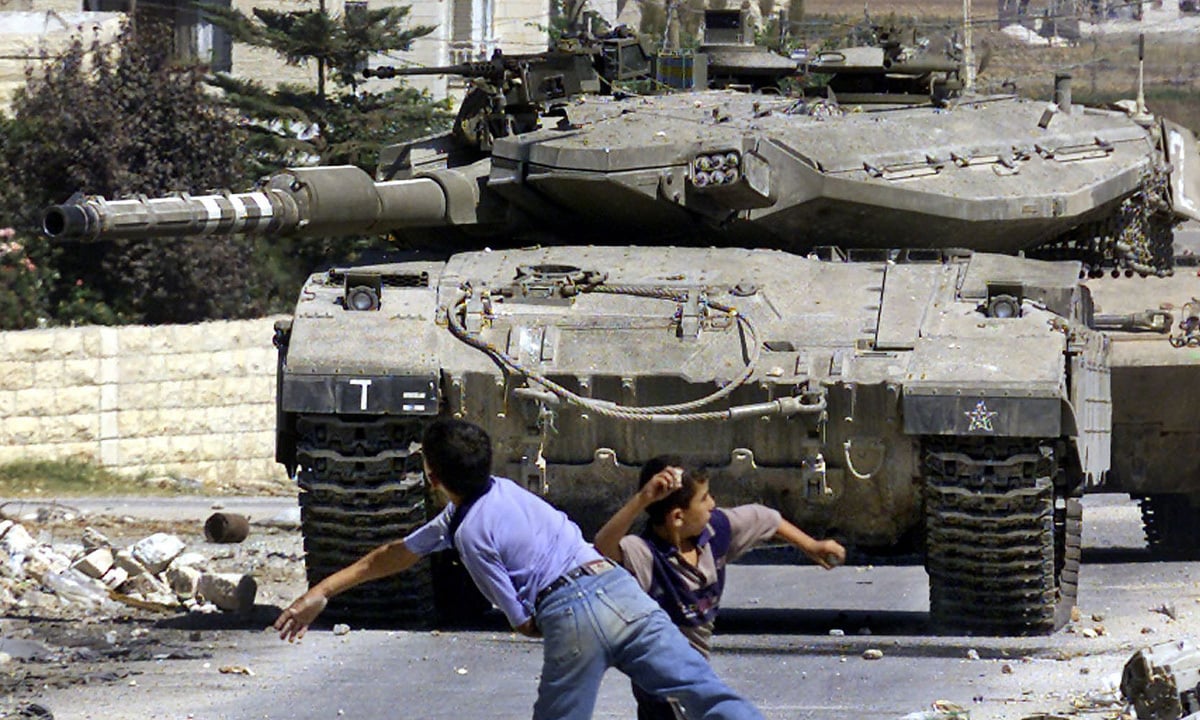
In Palestine, children have long been both victims and symbols. Whether killed in airstrikes, detained by military courts, or portrayed holding stones in front of tanks, Palestinian children embody the brutality of occupation and the resilience of a people under siege. As images of destruction, starvation, and death emerge daily from Gaza and the West Bank (occupation-apartheid), the poem’s central figure – a child shot dead by soldiers – becomes tragically universal. Written in another era and in a foreign language, it is a poem without borders. It insists that the reader see the child, and remember them. They are symbols of ongoing injustice that will not be erased. Children continue to suffer and die in Palestine. More than 17,400 to date. Unspeakable violence is visited daily on the children of Palestine – not seen in any conflict in our history. The children of Palestine are the children of Nyanga, Phillipi, and Sharpeville – and Ingrid Jonker’s poem finds a second life in Gaza. It becomes a voice of international solidarity. It demands that the world must not look away – that we never forget.